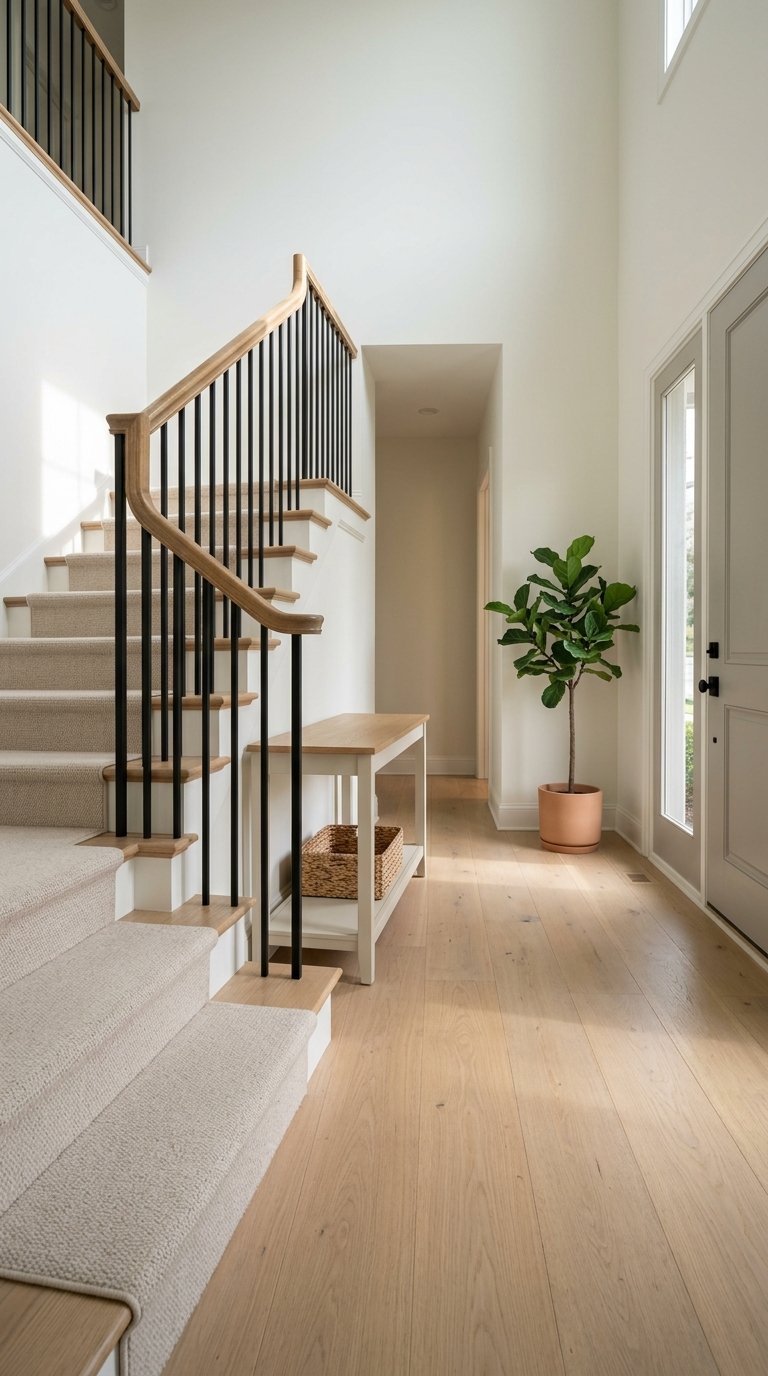
Trying to buy your next home while selling your current one in Berkeley Heights can feel like solving a puzzle with moving pieces. You want strong timing, enough cash on hand, and as little disruption as possible, especially in a market where homes move fast and prices remain high. The good news is that with the right sequence and realistic expectations, you can make both sides of the move work together. Let’s break down your options and the steps that matter most.
Why timing matters in Berkeley Heights
Berkeley Heights remains a competitive market, and that changes how you plan a two-sided move. Recent market snapshots show home values around the $1 million mark, limited inventory, and seller-friendly conditions, with a median 26 days on market and a 104% sale-to-list ratio in June 2026.
That kind of pace can help your current home attract attention, but it can also make your next purchase harder to lock down. At the same time, even a short backup housing plan can be expensive, with median rent around $3,562 per month. That is why your timing decision is not just about sale price. It is also about cash flow, risk, and flexibility.
Start with equity and preapproval
Before you decide whether to sell first or buy first, you need a clear picture of your numbers. That means estimating your current home equity, reviewing your likely net proceeds, and getting preapproved so you know what a lender may allow on the purchase side.
Buying and selling both come with transaction costs, so it helps to look at the full budget early. If rates, taxes, closing costs, and a possible overlap period would stretch you too far, that should shape your strategy from the start.
Your main timing options
There is no one-size-fits-all answer for buying and selling at once in Berkeley Heights. The best path depends on your equity, cash reserves, monthly comfort level, and how much uncertainty you can handle.
Sell first
Selling first is often the lower-risk option from a cash-flow perspective. You can avoid carrying two homes at once, and you may have clearer funds available for your down payment and closing costs on the next purchase.
The tradeoff is the housing gap. If your home closes before your next one is ready, you may need a temporary rental, a short stay with family, or a rent-back arrangement if the buyer agrees.
Buy first
Buying first can make your move feel more controlled because you secure your next home before leaving your current one. This may be appealing if you want to avoid multiple moves or keep daily life more stable.
Still, this route usually works best if you have enough equity, savings, and income to manage overlap. In a high-price market like Berkeley Heights, that can be a heavy lift if your current home has not sold yet.
Home sale contingency
A home sale contingency can help if you need proceeds from your current home to buy the next one. This type of contingency is a normal part of homebuying, but it can make your offer less attractive in a competitive market.
In practical terms, a seller may accept it, reject it, or continue marketing the property while the contingency period runs. In Berkeley Heights, where inventory is tight, this can be realistic in some situations, but it usually needs careful timing and strong presentation.
Bridge financing
A bridge loan can help cover the gap between the purchase of your new home and the sale of your current one. This is temporary financing, and it is not a shortcut for every homeowner.
It tends to make the most sense if you have substantial equity and can show the ability to carry your current home, the new home, the bridge loan, and your other obligations. If that level of payment pressure would feel uncomfortable, it may not be the right fit.
Rent-back or temporary rental
A rent-back can create breathing room if you sell first but need extra time before moving out. This means you close the sale, then stay in the home for an agreed period under terms that should be cleared early with the parties involved and your lender if needed.
A temporary rental can also work, but in Berkeley Heights, the cost matters. With median rent around $3,562 per month, even a short stopgap can affect your move budget in a meaningful way.
How to choose the right path
The best strategy usually comes down to one question: What matters most, certainty or convenience? If your priority is limiting financial risk, selling first may be the better path. If your priority is controlling the move itself and avoiding a gap, buying first may be worth exploring if your finances support it.
Here is a simple way to think about it:
- Choose sell first if you want clearer proceeds and less risk of carrying two homes.
- Choose buy first if you have strong equity, reserves, and income.
- Consider a home sale contingency if you need your current home to sell before fully committing.
- Ask about bridge financing if you have enough financial room for temporary overlap.
- Use rent-back or short-term rental if the goal is smoother timing between closings.
A practical step-by-step plan
When you are managing both sides of a move, clarity beats speed. A simple plan helps you avoid scrambling later.
1. Review your budget and net proceeds
Start with your likely sale price, mortgage payoff, closing costs, and moving costs. Then compare that number to your target purchase price and monthly payment comfort.
This step tells you whether you need sale proceeds to buy, whether a gap plan is affordable, and how much flexibility you really have.
2. Get preapproved early
Preapproval helps you understand loan options before you make offers. It also gives you a stronger position when the right home hits the market.
If you are considering a bridge loan, rent-back plan, or other overlap strategy, bring that up with your lender early. Occupancy and financing details should be clear before you commit.
3. Prepare your current home while living in it
You do not need to make every room perfect at once. Staging data shows buyers often respond most strongly when key areas help them picture the home clearly, especially the living room, primary bedroom, and dining room.
For many Berkeley Heights sellers, that means focusing on the most visible spaces first. Keep clutter simple, maintain a clean baseline, and aim for consistent presentation rather than a full remodel.
4. Build protections into the purchase
If you are buying while selling, the contract details matter. A home sale contingency may be helpful when needed, and inspection and mortgage protections can still be important to keep where possible.
If your purchase contract is contingent on a satisfactory inspection, you may be able to cancel without penalty if the results are not acceptable. Your mortgage contingency also helps define what happens to your deposit if financing does not come through.
5. Set a realistic closing timeline
Closings often take about 30 to 45 days after an offer is accepted. That timeline can help you line up your sale and purchase, but it is still important to leave room for inspections, lender steps, and scheduling issues.
Trying to force both deals into a too-tight window can increase stress. A realistic closing plan often gives you better odds of a smoother move.
6. Coordinate New Jersey contract steps early
In New Jersey, broker-prepared residential contracts commonly include a three-business-day attorney-review period before the contract becomes final. When you are buying and selling at the same time, that review period matters.
Bringing your attorney in early can help you align dates, review contingencies, and reduce surprises. You will also want to stay on top of disclosures, inspection negotiations, and the final walkthrough before signing.
New Jersey details sellers should not overlook
When your sale and purchase are happening together, missed paperwork can cause real delays. Sellers in New Jersey should be prepared to complete the Seller’s Property Condition Disclosure Statement and disclose known material defects, even if a defect is not specifically listed in the printed form.
The state form also includes flood-risk questions, such as whether the property is in a flood-hazard area, has experienced flood damage or pooled water, or has flood-insurance requirements. If your home was built before 1978, lead-based paint disclosure rules may also apply.
How to keep a lived-in home show-ready
This is often the hardest part of a move-up sale. You are still living your normal life while trying to present the home in a clean, market-ready way.
A few habits can make it easier:
- Focus first on the living room, primary bedroom, and dining room.
- Use baskets or bins for fast daily pickup.
- Keep counters and entry areas as clear as possible.
- Store extra pet items, paperwork, and bulky gear out of sight when you can.
- Treat the rest of the home as maintenance, not a full design project.
The goal is not perfection. The goal is making it easy for buyers to picture the space while keeping your day-to-day routine manageable.
Why local guidance matters
A two-sided move has more moving parts than a standard sale or purchase. You are balancing pricing, prep, financing, contingencies, attorney review, disclosures, inspections, and closing dates, all at once.
That is why strong communication matters so much. In a market like Berkeley Heights, the right plan is usually the one that matches your finances, your timeline, and your comfort with risk, not just the one that sounds easiest on paper.
If you are weighing a full-service sale, a rental bridge, or a more cost-conscious path on the buy or sell side, it helps to talk through the tradeoffs before you make your next move. Domenique Tozzo Rule & Mikaela Arpino can help you map out a strategy that fits your timeline, budget, and goals.
FAQs
Should I sell first or buy first in Berkeley Heights?
- If you want to reduce the risk of carrying two homes at once, selling first is often the safer financial choice. If you have enough equity, savings, and income to handle overlap, buying first may offer more convenience.
Is a home sale contingency realistic for Berkeley Heights buyers?
- It can be, but it may make your offer less competitive in a tight Berkeley Heights market. It tends to work best when timing, pricing, and overall offer terms are strong.
When does a bridge loan make sense for a Berkeley Heights move?
- A bridge loan may make sense if you have substantial equity and can comfortably carry the current home, the new home, the bridge loan, and your other obligations during the overlap period.
Is a rent-back better than short-term renting in Berkeley Heights?
- It depends on your timing and budget. A rent-back can reduce the need for an extra move, while a short-term rental may offer flexibility, though local rent levels can make even a brief stay expensive.
How long does closing usually take when buying a home in New Jersey?
- A closing often takes about 30 to 45 days after an offer is accepted, though inspections, financing, attorney review, and scheduling can affect the timeline.
What New Jersey seller disclosures matter when selling a Berkeley Heights home?
- Sellers should be ready to disclose known material defects and complete the New Jersey property condition disclosure form, including flood-related questions. Homes built before 1978 may also require lead-based paint disclosures.
How can I keep my Berkeley Heights home show-ready while still living there?
- Focus on the rooms buyers notice most, keep clutter under control with simple daily resets, and aim for clean, consistent presentation rather than trying to perfect every room at once.