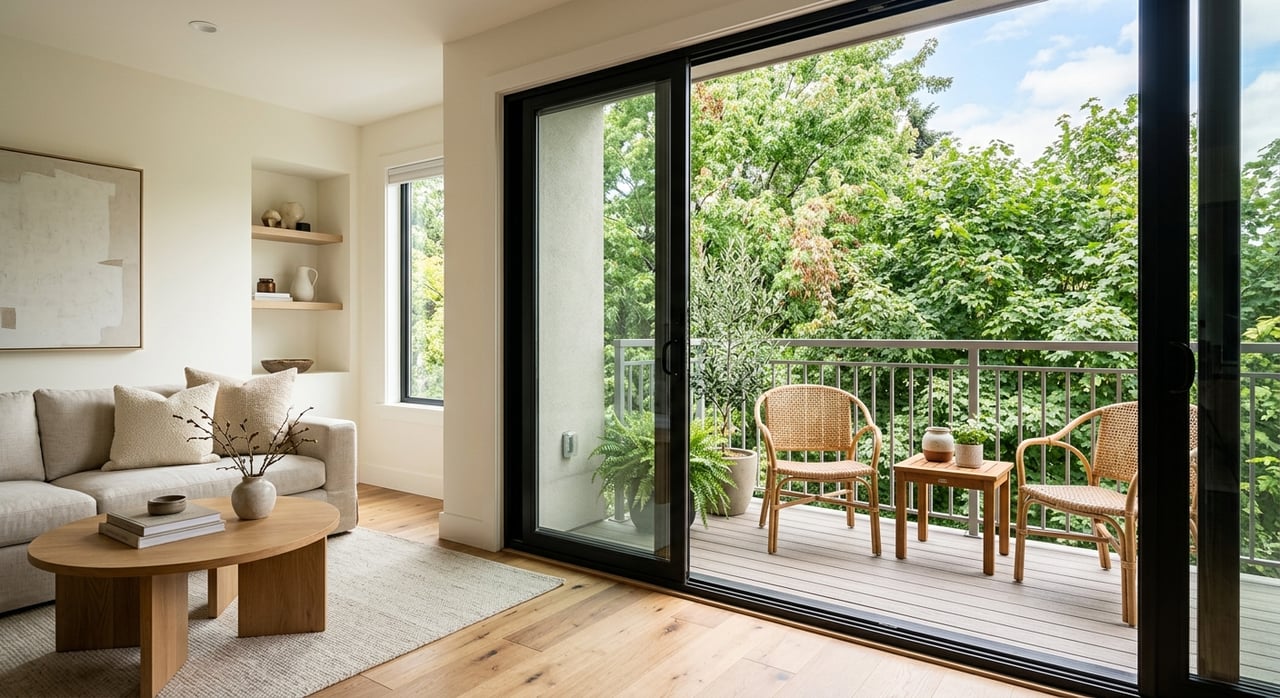
If you are deciding between a condo and a single-family home in Mountainside, you are not just choosing a floor plan. You are choosing how you want to live day to day, what kind of upkeep fits your schedule, and how much control you want over your property. In a town where housing is largely owner-occupied and detached homes have long shaped the local landscape, that choice matters. This guide will help you compare both paths clearly so you can make a decision that fits your budget, lifestyle, and long-term plans. Let’s dive in.
Mountainside Housing Context
Mountainside is a small borough with a housing market that leans heavily toward ownership. According to the U.S. Census Bureau, 86.9% of housing units are owner-occupied, the median value of owner-occupied homes is $755,600, and median monthly owner costs with a mortgage are $3,950.
That local context is important when you start comparing condos and single-family homes. Mountainside has historically been dominated by detached homes, and the borough’s housing planning documents describe it as a fully developed community with limited vacant land. That means attached housing options may be more limited and more location-specific than single-family homes.
The borough has also taken steps to expand housing choices through a Multi Family Inclusionary Zone along Route 22. For buyers, that suggests condo, townhome, or multifamily-style opportunities may exist, but they are still likely to be a smaller slice of the local market than detached homes.
Condo vs Single-Family: The Core Difference
At a high level, the choice comes down to shared responsibility versus direct control. A condo or townhome often offers less hands-on exterior maintenance, while a single-family home usually gives you more control over the property and how it is maintained.
Neither option is automatically better. The right fit depends on your comfort with monthly costs, community rules, maintenance demands, and how much flexibility you want over time.
What Condo Ownership Usually Feels Like
When you buy a condo, you usually own your unit while sharing responsibility for common areas through an association. That can include things like corridors, parking areas, landscaping, and other shared elements.
In many condo and townhome communities, you will pay HOA or condo fees separately from your mortgage. Those fees can range from a few hundred dollars per month to more than $1,000, depending on the community and what is covered.
The association generally manages common elements, collects fees, enforces rules, and maintains reserve funding. In New Jersey, condominium regulations also require associations to manage common elements, enforce rules, and, when necessary, levy special assessments for unforeseen costs.
For many buyers, the biggest appeal is convenience. If you would rather not handle as much exterior upkeep yourself, condo living can be a practical option.
What Single-Family Ownership Usually Feels Like
A detached single-family home usually gives you more direct control over the lot, the exterior, and everyday upkeep. In Mountainside, that lines up with the borough’s traditional housing pattern, which has long been centered on owner-occupied detached homes.
That added control often comes with more flexibility. If you want to make exterior changes, manage landscaping your way, or simply have more separation from neighbors, a single-family home may feel like the better fit.
The trade-off is responsibility. Routine maintenance, repairs, and replacement costs generally fall more directly on you, and those costs should be part of your budget from the start.
Compare the Total Monthly Cost
Many buyers focus first on the listing price, but the better comparison is your full monthly ownership cost. That means looking beyond principal and interest.
For either property type, you should compare:
- Mortgage payment
- Property taxes
- Homeowners insurance
- Utilities
- Routine maintenance
- HOA or condo dues, if applicable
This matters in Mountainside, where ownership costs are already significant. A condo may have a lower purchase price than a detached home, but monthly dues can change the affordability picture. A single-family home may not have association fees, but you could be taking on more repair and exterior maintenance costs yourself.
Understand What Condo Fees Cover
Not all condo or townhome fees work the same way. Before you decide that a fee is too high or reasonable, you need to know what is included.
Ask whether the fee covers:
- Landscaping
- Snow removal
- Roof maintenance
- Siding or exterior repairs
- Shared amenities
- Parking area maintenance
- Building insurance for common areas
You should also ask what remains your responsibility inside the unit. Insurance coverage is often split between the association and the homeowner, so it is important to understand where that line is drawn.
A fee can feel more manageable when it replaces expenses you would otherwise pay separately. On the other hand, if the fee is high and covers only a limited set of services, a detached home may start to look more attractive.
Review Rules Before You Buy
This step is especially important for condo and townhome buyers. Association living usually comes with governing documents that explain fees, rules, restrictions, and approval processes.
Before you make an offer, review the master deed, bylaws, rules, and any architectural or exterior-change guidelines. These documents can affect everything from renovations to pet policies to what kinds of exterior changes require approval.
If you know you want flexibility to customize your property, plant extensively, renovate freely, or avoid approval steps, a single-family home is often the simpler option. If you are comfortable with a more structured environment, condo ownership may still be a great match.
Check Reserve Funds and Assessment Risk
Monthly dues are only part of the condo ownership picture. You also want to understand the financial health of the association.
Ask for:
- The current annual budget
- Reserve fund information
- Any recent reserve study
- A history of recent special assessments
- Information on planned capital projects
A portion of condo fees should go into reserves for future repairs and replacements. If reserves are not strong enough, owners may face special assessments for major one-time expenses or unforeseen conditions.
That does not mean you should avoid condos. It means you should evaluate them carefully. A well-managed association can make ownership more predictable, while a weak reserve position can create added financial risk.
Think About Time, Lifestyle, and Maintenance
Your ideal home should support how you actually live. That is why this decision is about more than cost alone.
A condo or townhome may fit you well if you want:
- Less exterior maintenance
- Shared responsibility for common areas
- A simpler day-to-day ownership experience
- A more lock-and-leave setup
A single-family home may fit you better if you want:
- More control over the property
- More separation from neighbors
- Fewer association rules
- More freedom to update exterior spaces over time
In Mountainside, where detached homes have historically defined the housing stock, many buyers naturally start with the single-family option in mind. But for downsizers, busy professionals, or buyers who want less exterior upkeep, a condo or townhome can still be a smart path if the numbers and rules make sense.
Which Option Fits Your Next Move?
If you are an early-stage buyer, the best choice often comes down to how you want to balance convenience with control. A condo can reduce some of the hands-on work of ownership, while a single-family home can give you a more traditional lot-based experience.
If you are downsizing, the question may be even more practical. Do you want to keep the independence of a detached home, or would you rather trade some control for a more managed lifestyle?
In Mountainside, the answer is rarely about labels alone. It is usually about your full monthly budget, your comfort with community rules, and how much maintenance you want to handle directly.
The good news is that you do not have to figure that out alone. A clear side-by-side review of monthly costs, property responsibilities, association documents, and long-term goals can make the decision much easier.
Whether you are comparing your first purchase, planning a downsize, or weighing lifestyle trade-offs in Mountainside, the right guidance can save you time, stress, and expensive surprises. If you want help sorting through the pros and cons of each path, schedule a free consultation with Domenique Tozzo Rule & Mikaela Arpino.
FAQs
What is the main difference between a condo and a single-family home in Mountainside?
- A condo usually involves shared maintenance, monthly association fees, and community rules, while a single-family home usually gives you more direct control over the property and its upkeep.
Are HOA or condo fees included in a mortgage payment in Mountainside?
- In most cases, no. HOA or condo fees are usually paid separately from your mortgage.
What should Mountainside buyers compare when deciding between a condo and a house?
- You should compare the total monthly cost, what any condo fee covers, the association’s reserve health, the rules and approval requirements, and how much maintenance you want to handle yourself.
Are condos common in Mountainside, NJ?
- Mountainside has historically been dominated by detached single-family homes, so attached housing options are likely to be more limited and location-specific.
Why do reserve funds matter when buying a condo in Mountainside?
- Reserve funds help pay for future repairs and replacements in shared areas, and if reserves are not strong enough, owners may face special assessments.
Is a single-family home better for buyers who want more flexibility in Mountainside?
- In many cases, yes. A detached home is usually the simpler option if you want more freedom to manage the exterior, make changes, or avoid association approval steps.